Who Are the Virtual Employees and Will AI Take Our Jobs?
Matteo Ressa
Oct 15, 2025
Introduction
Few topics generate as much debate as the question: is AI taking over jobs? For leaders in customer support, BPO, and banking, the rise of AI agents, sometimes referred to as virtual employees in corporate contexts, raises urgent questions about workforce disruption, efficiency, and the future of human roles.
The truth is nuanced. AI is not simply replacing humans, it is reshaping work itself. Virtual employees are emerging as a powerful solution for communication-heavy processes like customer service, collections, sales, and HR. They deliver human-level quality at computer-level speed, offering scalability and persistence far beyond traditional teams.
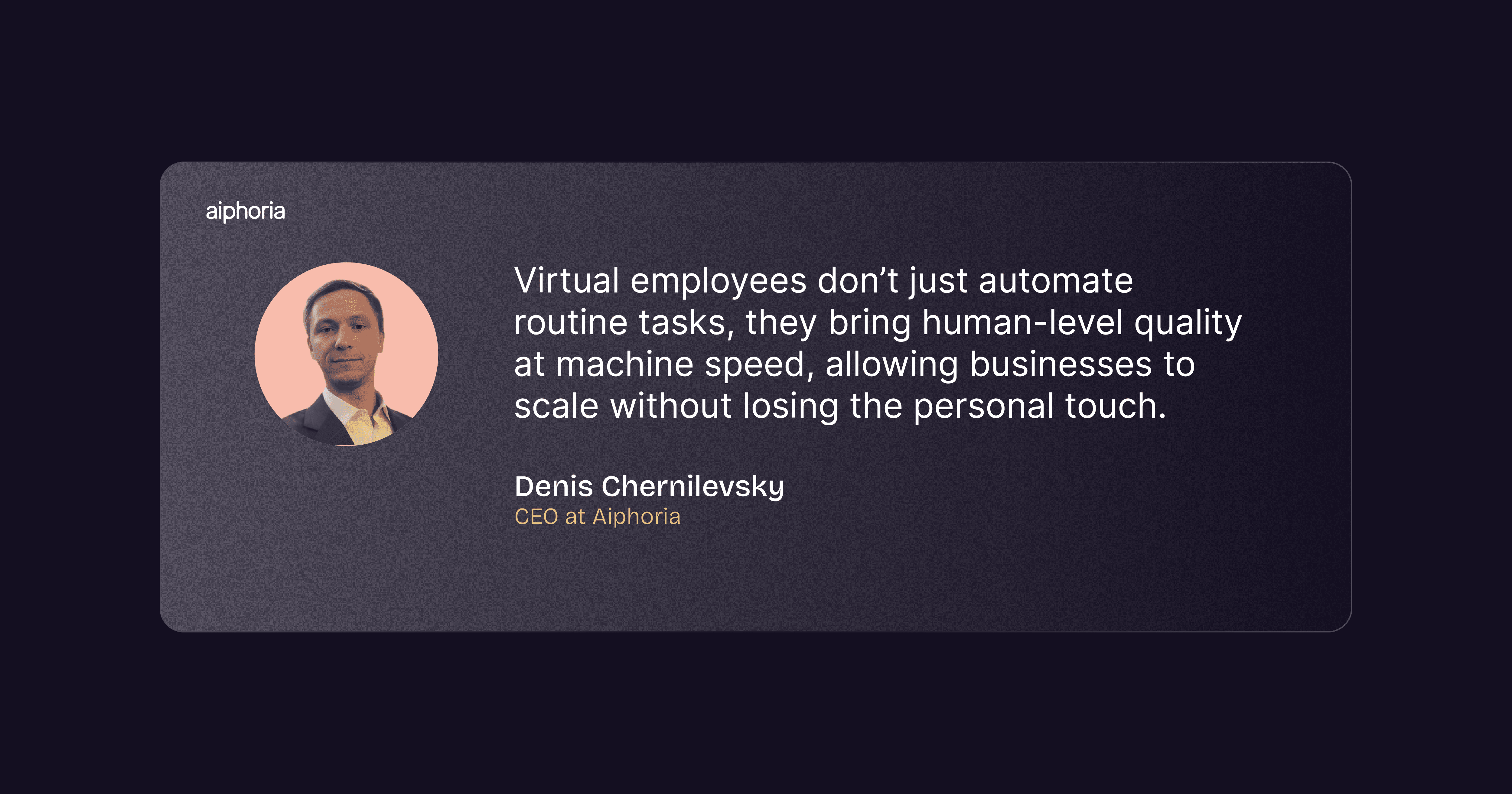
As Aiphoria CEO and co-founder Denis Chernilevsky puts it:
“Virtual employees don’t just automate routine tasks, they bring human-level quality at machine speed, allowing businesses to scale without losing the personal touch.”
This article explores what virtual employees are, how they differ from chatbots, their impact on the workforce, and why they are already becoming indispensable in customer-facing industries.
What Is a Virtual Employee?
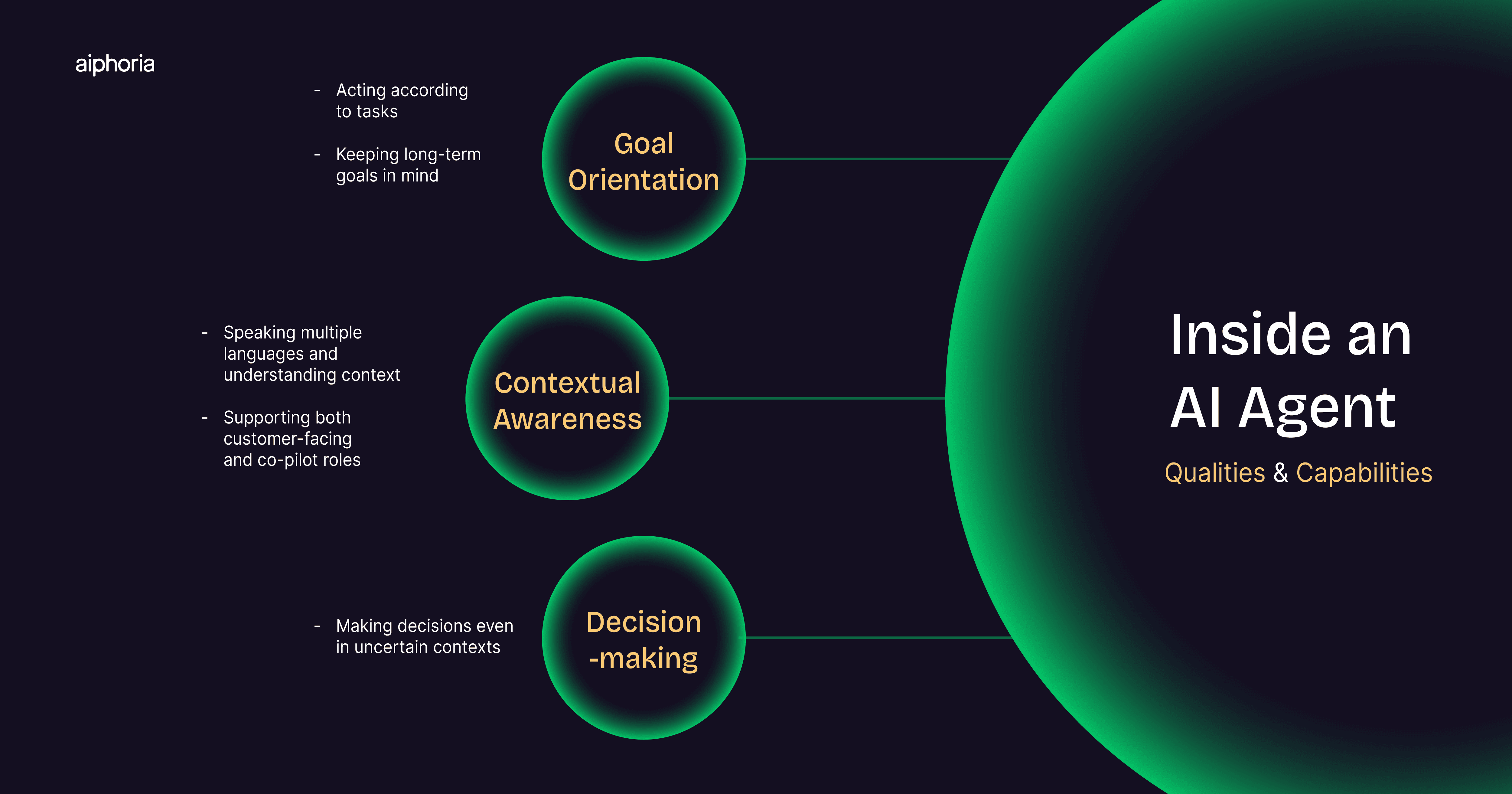
A virtual employee is not a chatbot, it’s an AI agent capable of:
Acting according to tasks
Making decisions in specific contexts
Keeping long-term goals in mind
Speaking multiple languages and understanding context
Supporting both customer-facing and co-pilot roles
In essence, they combine goal orientation, contextual awareness, and decision-making, qualities once reserved for human workers.
AI taking over jobs | From Legacy Chatbots to AI Agents
Legacy chatbots: rule-based, scripted, unable to handle nuance.
Generative AI tools: can create content but lack goal persistence.
AI agents (virtual employees): act autonomously, adapt tone, and maintain focus on business objectives.
This progression marks a shift from automation that frustrates customers to AI that enhances customer experience.
Learn more about the evolution of this technology in our recent article: Trends in Financial Services: Why Banks Are Breaking Up with Legacy Customer-Facing Tech and Not Looking Back
AI taking over jobs | Why Virtual Employees Matter Now
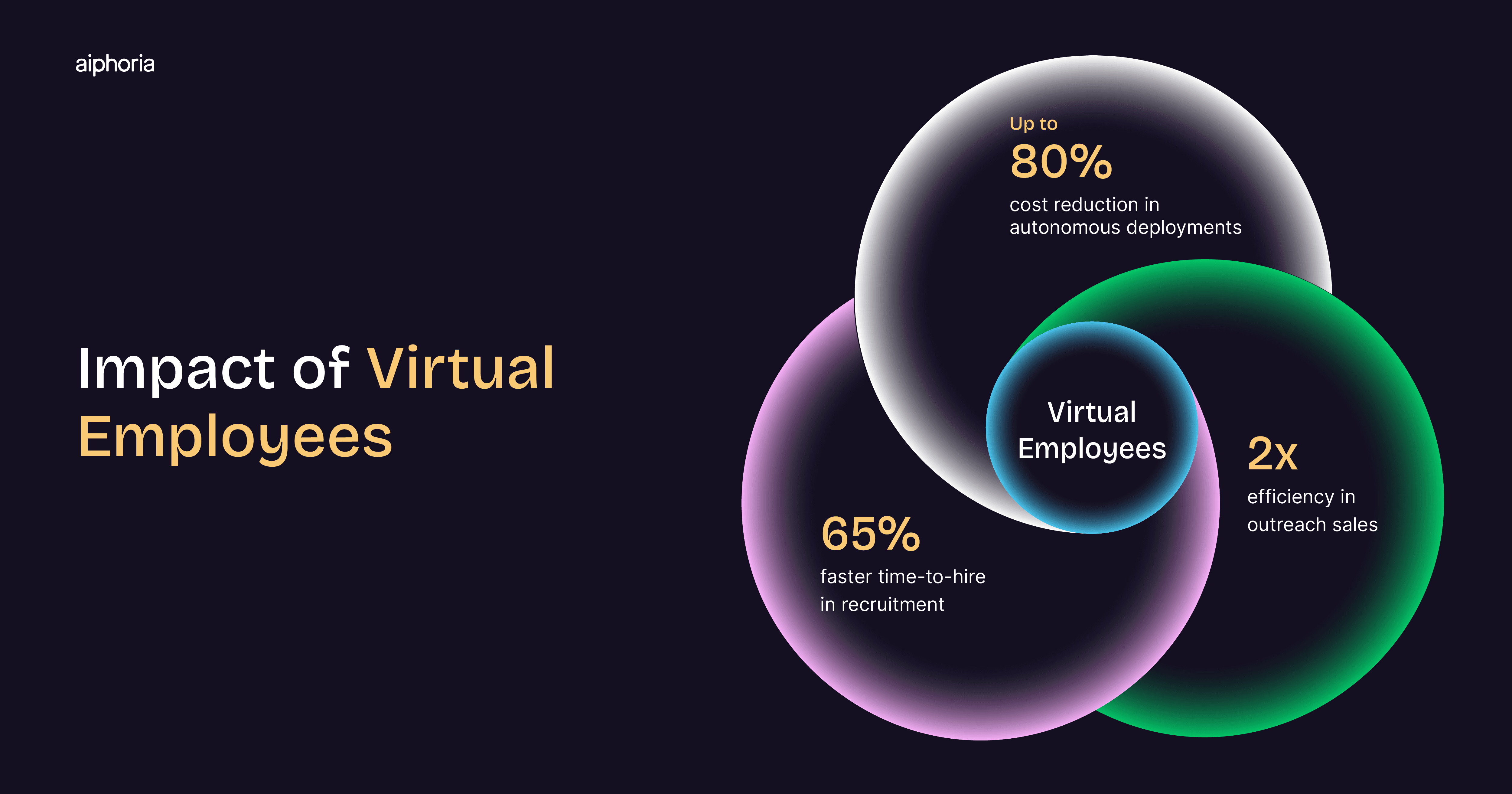
Virtual employees are particularly powerful in industries where labor costs can reach and overcome 40–50% of operational expenses. In banking, for example, they eliminate call wait times (5–7 minutes on average) and cut support costs from 30 to 80%.
The results speak for themselves:
Up to 80% cost reduction in autonomous deployments
65% faster time-to-hire in recruitment
2x efficiency in outreach sales
As described in Aiphoria’s success story: TBC Uzbekistan Case Study | How Conversational AI Supercharged Efficiency and Scalability
AI taking over jobs | Do Virtual Employees Replace Humans?
The short answer: No. They augment humans.
Virtual employees handle routine, high-volume, emotionally neutral tasks at scale. Humans remain critical for:
Training AI with domain-specific data
Designing prompts and workflows
Defining ethical boundaries and compliance standards
Handling particularly complex and nuanced cases
In fact, three new human roles emerge alongside AI agents right now:
AI Trainer – labels and curates training data
Prompt Manager – optimizes AI interactions
Ethics Expert – ensures fairness, transparency, and compliance
And while these roles illustrate today’s needs, history teaches us that every major technological revolution, from the PC to the internet to smartphones, has created entirely new professions for humans in unpredictable ways and at grand scale. We should expect AI to follow the same path.
How Virtual Employees Impact Jobs
Like previous technology waves, PCs, the internet, smartphones, AI is creating new professions even as it automates old ones.
Examples include:
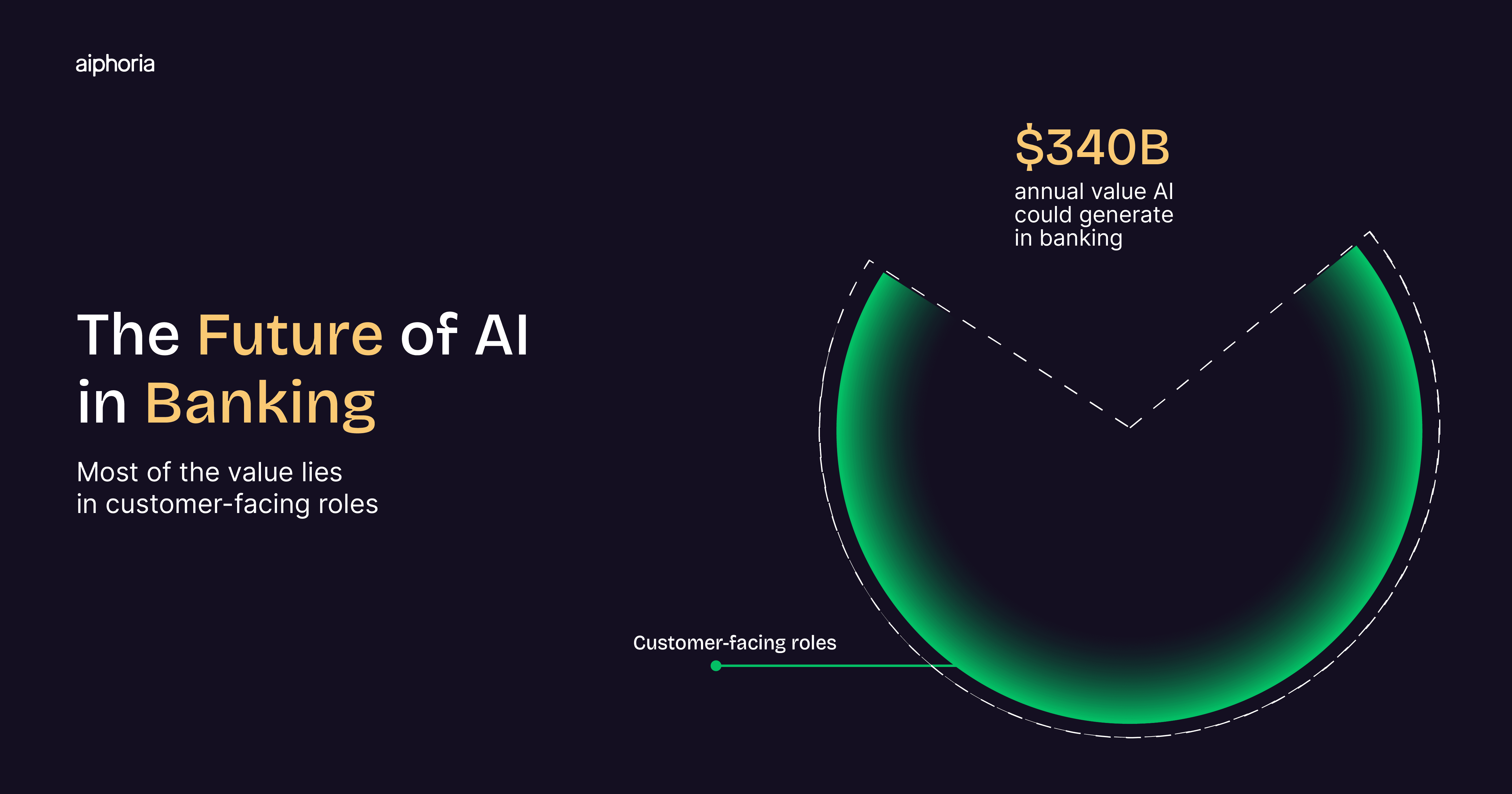
McKinsey estimates AI in banking alone could generate $340B in annual value, with much of it tied to customer-facing roles.
AI taking over jobs |The Ethical and Human Side
Virtual employees must be deployed responsibly. Without careful oversight, risks of bias, miscommunication, and compliance breaches remain high.
This is why human-in-the-loop strategies are essential, ensuring AI remains an augmentation tool rather than an unchecked replacement.
AI taking over jobs | Key Takeaways
Virtual employees are not chatbots, they are persistent, context-aware AI agents built for complex workflows.
They deliver 80%+ cost savings, zero wait times, and scalable support across industries.
New roles, AI trainers, prompt managers, ethics experts, ensure AI is taught, guided, and governed by humans.
The question is not “Will AI take our jobs?” but rather “How will AI transform our jobs?”
Conclusion
Virtual employees are already here, and they are proving to be far more than a cost-saving measure. For banking, BPO, and customer service leaders, they represent a strategic workforce shift: enabling efficiency, scalability, and customer satisfaction in one solution.
Denis Chernilevsky summarizes it best:
“AI doesn’t replace people, it reshapes work. Virtual employees take on the routine, freeing humans to focus on complex issues, creativity, empathy, and strategy.”
For COOs and heads of customer support, the path forward is clear: embrace AI agents as digital teammates, not threats.
👉 Book a demo with Aiphoria to see how virtual employees can transform your operations today.
FAQs
What industries benefit most from virtual employees?
Banking, telecommunications, retail, and healthcare, sectors with high customer interaction volumes.Are AI agents better than outsourcing to BPOs?
Yes. They reduce reliance on offshore labor by offering scalable 24/7 support at a fraction of the cost.How do virtual employees differ from chatbots?
Chatbots follow rigid scripts; AI agents understand context, adapt tone, and pursue goals autonomously.What jobs will AI create?
AI trainers, prompt managers, ethics experts, and hybrid human–AI roles in customer-facing teams.Is AI safe for regulated industries like banking?
Yes, when combined with compliance controls. Case studies show regulation-ready deployments.
Related Articles & References
Anton Shestakov
Who Are the Virtual Employees and Will AI Take Our Jobs?
Matteo Ressa
Oct 15, 2025
Introduction
Few topics generate as much debate as the question: is AI taking over jobs? For leaders in customer support, BPO, and banking, the rise of AI agents, sometimes referred to as virtual employees in corporate contexts, raises urgent questions about workforce disruption, efficiency, and the future of human roles.
The truth is nuanced. AI is not simply replacing humans, it is reshaping work itself. Virtual employees are emerging as a powerful solution for communication-heavy processes like customer service, collections, sales, and HR. They deliver human-level quality at computer-level speed, offering scalability and persistence far beyond traditional teams.
As Aiphoria CEO and co-founder Denis Chernilevsky puts it:
“Virtual employees don’t just automate routine tasks, they bring human-level quality at machine speed, allowing businesses to scale without losing the personal touch.”
This article explores what virtual employees are, how they differ from chatbots, their impact on the workforce, and why they are already becoming indispensable in customer-facing industries.
What Is a Virtual Employee?
A virtual employee is not a chatbot, it’s an AI agent capable of:
Acting according to tasks
Making decisions in specific contexts
Keeping long-term goals in mind
Speaking multiple languages and understanding context
Supporting both customer-facing and co-pilot roles
In essence, they combine goal orientation, contextual awareness, and decision-making, qualities once reserved for human workers.
AI taking over jobs | From Legacy Chatbots to AI Agents
Legacy chatbots: rule-based, scripted, unable to handle nuance.
Generative AI tools: can create content but lack goal persistence.
AI agents (virtual employees): act autonomously, adapt tone, and maintain focus on business objectives.
This progression marks a shift from automation that frustrates customers to AI that enhances customer experience.
Learn more about the evolution of this technology in our recent article: Trends in Financial Services: Why Banks Are Breaking Up with Legacy Customer-Facing Tech and Not Looking Back
AI taking over jobs | Why Virtual Employees Matter Now
Virtual employees are particularly powerful in industries where labor costs can reach and overcome 40–50% of operational expenses. In banking, for example, they eliminate call wait times (5–7 minutes on average) and cut support costs from 30 to 80%.
The results speak for themselves:
Up to 80% cost reduction in autonomous deployments
65% faster time-to-hire in recruitment
2x efficiency in outreach sales
As described in Aiphoria’s success story: TBC Uzbekistan Case Study | How Conversational AI Supercharged Efficiency and Scalability
AI taking over jobs | Do Virtual Employees Replace Humans?
The short answer: No. They augment humans.
Virtual employees handle routine, high-volume, emotionally neutral tasks at scale. Humans remain critical for:
Training AI with domain-specific data
Designing prompts and workflows
Defining ethical boundaries and compliance standards
Handling particularly complex and nuanced cases
In fact, three new human roles emerge alongside AI agents right now:
AI Trainer – labels and curates training data
Prompt Manager – optimizes AI interactions
Ethics Expert – ensures fairness, transparency, and compliance
And while these roles illustrate today’s needs, history teaches us that every major technological revolution, from the PC to the internet to smartphones, has created entirely new professions for humans in unpredictable ways and at grand scale. We should expect AI to follow the same path.
How Virtual Employees Impact Jobs
Like previous technology waves, PCs, the internet, smartphones, AI is creating new professions even as it automates old ones.
Examples include:
McKinsey estimates AI in banking alone could generate $340B in annual value, with much of it tied to customer-facing roles.
AI taking over jobs |The Ethical and Human Side
Virtual employees must be deployed responsibly. Without careful oversight, risks of bias, miscommunication, and compliance breaches remain high.
This is why human-in-the-loop strategies are essential, ensuring AI remains an augmentation tool rather than an unchecked replacement.
AI taking over jobs | Key Takeaways
Virtual employees are not chatbots, they are persistent, context-aware AI agents built for complex workflows.
They deliver 80%+ cost savings, zero wait times, and scalable support across industries.
New roles, AI trainers, prompt managers, ethics experts, ensure AI is taught, guided, and governed by humans.
The question is not “Will AI take our jobs?” but rather “How will AI transform our jobs?”
Conclusion
Virtual employees are already here, and they are proving to be far more than a cost-saving measure. For banking, BPO, and customer service leaders, they represent a strategic workforce shift: enabling efficiency, scalability, and customer satisfaction in one solution.
Denis Chernilevsky summarizes it best:
“AI doesn’t replace people, it reshapes work. Virtual employees take on the routine, freeing humans to focus on complex issues, creativity, empathy, and strategy.”
For COOs and heads of customer support, the path forward is clear: embrace AI agents as digital teammates, not threats.
👉 Book a demo with Aiphoria to see how virtual employees can transform your operations today.
FAQs
What industries benefit most from virtual employees?
Banking, telecommunications, retail, and healthcare, sectors with high customer interaction volumes.Are AI agents better than outsourcing to BPOs?
Yes. They reduce reliance on offshore labor by offering scalable 24/7 support at a fraction of the cost.How do virtual employees differ from chatbots?
Chatbots follow rigid scripts; AI agents understand context, adapt tone, and pursue goals autonomously.What jobs will AI create?
AI trainers, prompt managers, ethics experts, and hybrid human–AI roles in customer-facing teams.Is AI safe for regulated industries like banking?
Yes, when combined with compliance controls. Case studies show regulation-ready deployments.
Related Articles & References
Anton Shestakov
Who Are the Virtual Employees and Will AI Take Our Jobs?
Who Are the Virtual Employees and Will AI Take Our Jobs?
Matteo Ressa
Oct 15, 2025
Introduction
Few topics generate as much debate as the question: is AI taking over jobs? For leaders in customer support, BPO, and banking, the rise of AI agents, sometimes referred to as virtual employees in corporate contexts, raises urgent questions about workforce disruption, efficiency, and the future of human roles.
The truth is nuanced. AI is not simply replacing humans, it is reshaping work itself. Virtual employees are emerging as a powerful solution for communication-heavy processes like customer service, collections, sales, and HR. They deliver human-level quality at computer-level speed, offering scalability and persistence far beyond traditional teams.
As Aiphoria CEO and co-founder Denis Chernilevsky puts it:
“Virtual employees don’t just automate routine tasks, they bring human-level quality at machine speed, allowing businesses to scale without losing the personal touch.”
This article explores what virtual employees are, how they differ from chatbots, their impact on the workforce, and why they are already becoming indispensable in customer-facing industries.
What Is a Virtual Employee?
A virtual employee is not a chatbot, it’s an AI agent capable of:
Acting according to tasks
Making decisions in specific contexts
Keeping long-term goals in mind
Speaking multiple languages and understanding context
Supporting both customer-facing and co-pilot roles
In essence, they combine goal orientation, contextual awareness, and decision-making, qualities once reserved for human workers.
AI taking over jobs | From Legacy Chatbots to AI Agents
Legacy chatbots: rule-based, scripted, unable to handle nuance.
Generative AI tools: can create content but lack goal persistence.
AI agents (virtual employees): act autonomously, adapt tone, and maintain focus on business objectives.
This progression marks a shift from automation that frustrates customers to AI that enhances customer experience.
Learn more about the evolution of this technology in our recent article: Trends in Financial Services: Why Banks Are Breaking Up with Legacy Customer-Facing Tech and Not Looking Back
AI taking over jobs | Why Virtual Employees Matter Now
Virtual employees are particularly powerful in industries where labor costs can reach and overcome 40–50% of operational expenses. In banking, for example, they eliminate call wait times (5–7 minutes on average) and cut support costs from 30 to 80%.
The results speak for themselves:
Up to 80% cost reduction in autonomous deployments
65% faster time-to-hire in recruitment
2x efficiency in outreach sales
As described in Aiphoria’s success story: TBC Uzbekistan Case Study | How Conversational AI Supercharged Efficiency and Scalability
AI taking over jobs | Do Virtual Employees Replace Humans?
The short answer: No. They augment humans.
Virtual employees handle routine, high-volume, emotionally neutral tasks at scale. Humans remain critical for:
Training AI with domain-specific data
Designing prompts and workflows
Defining ethical boundaries and compliance standards
Handling particularly complex and nuanced cases
In fact, three new human roles emerge alongside AI agents right now:
AI Trainer – labels and curates training data
Prompt Manager – optimizes AI interactions
Ethics Expert – ensures fairness, transparency, and compliance
And while these roles illustrate today’s needs, history teaches us that every major technological revolution, from the PC to the internet to smartphones, has created entirely new professions for humans in unpredictable ways and at grand scale. We should expect AI to follow the same path.
How Virtual Employees Impact Jobs
Like previous technology waves, PCs, the internet, smartphones, AI is creating new professions even as it automates old ones.
Examples include:
McKinsey estimates AI in banking alone could generate $340B in annual value, with much of it tied to customer-facing roles.
AI taking over jobs |The Ethical and Human Side
Virtual employees must be deployed responsibly. Without careful oversight, risks of bias, miscommunication, and compliance breaches remain high.
This is why human-in-the-loop strategies are essential, ensuring AI remains an augmentation tool rather than an unchecked replacement.
AI taking over jobs | Key Takeaways
Virtual employees are not chatbots, they are persistent, context-aware AI agents built for complex workflows.
They deliver 80%+ cost savings, zero wait times, and scalable support across industries.
New roles, AI trainers, prompt managers, ethics experts, ensure AI is taught, guided, and governed by humans.
The question is not “Will AI take our jobs?” but rather “How will AI transform our jobs?”
Conclusion
Virtual employees are already here, and they are proving to be far more than a cost-saving measure. For banking, BPO, and customer service leaders, they represent a strategic workforce shift: enabling efficiency, scalability, and customer satisfaction in one solution.
Denis Chernilevsky summarizes it best:
“AI doesn’t replace people, it reshapes work. Virtual employees take on the routine, freeing humans to focus on complex issues, creativity, empathy, and strategy.”
For COOs and heads of customer support, the path forward is clear: embrace AI agents as digital teammates, not threats.
👉 Book a demo with Aiphoria to see how virtual employees can transform your operations today.
FAQs
What industries benefit most from virtual employees?
Banking, telecommunications, retail, and healthcare, sectors with high customer interaction volumes.Are AI agents better than outsourcing to BPOs?
Yes. They reduce reliance on offshore labor by offering scalable 24/7 support at a fraction of the cost.How do virtual employees differ from chatbots?
Chatbots follow rigid scripts; AI agents understand context, adapt tone, and pursue goals autonomously.What jobs will AI create?
AI trainers, prompt managers, ethics experts, and hybrid human–AI roles in customer-facing teams.Is AI safe for regulated industries like banking?
Yes, when combined with compliance controls. Case studies show regulation-ready deployments.
Related Articles & References
Introduction
Few topics generate as much debate as the question: is AI taking over jobs? For leaders in customer support, BPO, and banking, the rise of AI agents, sometimes referred to as virtual employees in corporate contexts, raises urgent questions about workforce disruption, efficiency, and the future of human roles.
The truth is nuanced. AI is not simply replacing humans, it is reshaping work itself. Virtual employees are emerging as a powerful solution for communication-heavy processes like customer service, collections, sales, and HR. They deliver human-level quality at computer-level speed, offering scalability and persistence far beyond traditional teams.
As Aiphoria CEO and co-founder Denis Chernilevsky puts it:
“Virtual employees don’t just automate routine tasks, they bring human-level quality at machine speed, allowing businesses to scale without losing the personal touch.”
This article explores what virtual employees are, how they differ from chatbots, their impact on the workforce, and why they are already becoming indispensable in customer-facing industries.
What Is a Virtual Employee?
A virtual employee is not a chatbot, it’s an AI agent capable of:
Acting according to tasks
Making decisions in specific contexts
Keeping long-term goals in mind
Speaking multiple languages and understanding context
Supporting both customer-facing and co-pilot roles
In essence, they combine goal orientation, contextual awareness, and decision-making, qualities once reserved for human workers.
AI taking over jobs | From Legacy Chatbots to AI Agents
Legacy chatbots: rule-based, scripted, unable to handle nuance.
Generative AI tools: can create content but lack goal persistence.
AI agents (virtual employees): act autonomously, adapt tone, and maintain focus on business objectives.
This progression marks a shift from automation that frustrates customers to AI that enhances customer experience.
Learn more about the evolution of this technology in our recent article: Trends in Financial Services: Why Banks Are Breaking Up with Legacy Customer-Facing Tech and Not Looking Back
AI taking over jobs | Why Virtual Employees Matter Now
Virtual employees are particularly powerful in industries where labor costs can reach and overcome 40–50% of operational expenses. In banking, for example, they eliminate call wait times (5–7 minutes on average) and cut support costs from 30 to 80%.
The results speak for themselves:
Up to 80% cost reduction in autonomous deployments
65% faster time-to-hire in recruitment
2x efficiency in outreach sales
As described in Aiphoria’s success story: TBC Uzbekistan Case Study | How Conversational AI Supercharged Efficiency and Scalability
AI taking over jobs | Do Virtual Employees Replace Humans?
The short answer: No. They augment humans.
Virtual employees handle routine, high-volume, emotionally neutral tasks at scale. Humans remain critical for:
Training AI with domain-specific data
Designing prompts and workflows
Defining ethical boundaries and compliance standards
Handling particularly complex and nuanced cases
In fact, three new human roles emerge alongside AI agents right now:
AI Trainer – labels and curates training data
Prompt Manager – optimizes AI interactions
Ethics Expert – ensures fairness, transparency, and compliance
And while these roles illustrate today’s needs, history teaches us that every major technological revolution, from the PC to the internet to smartphones, has created entirely new professions for humans in unpredictable ways and at grand scale. We should expect AI to follow the same path.
How Virtual Employees Impact Jobs
Like previous technology waves, PCs, the internet, smartphones, AI is creating new professions even as it automates old ones.
Examples include:
McKinsey estimates AI in banking alone could generate $340B in annual value, with much of it tied to customer-facing roles.
AI taking over jobs |The Ethical and Human Side
Virtual employees must be deployed responsibly. Without careful oversight, risks of bias, miscommunication, and compliance breaches remain high.
This is why human-in-the-loop strategies are essential, ensuring AI remains an augmentation tool rather than an unchecked replacement.
AI taking over jobs | Key Takeaways
Virtual employees are not chatbots, they are persistent, context-aware AI agents built for complex workflows.
They deliver 80%+ cost savings, zero wait times, and scalable support across industries.
New roles, AI trainers, prompt managers, ethics experts, ensure AI is taught, guided, and governed by humans.
The question is not “Will AI take our jobs?” but rather “How will AI transform our jobs?”
Conclusion
Virtual employees are already here, and they are proving to be far more than a cost-saving measure. For banking, BPO, and customer service leaders, they represent a strategic workforce shift: enabling efficiency, scalability, and customer satisfaction in one solution.
Denis Chernilevsky summarizes it best:
“AI doesn’t replace people, it reshapes work. Virtual employees take on the routine, freeing humans to focus on complex issues, creativity, empathy, and strategy.”
For COOs and heads of customer support, the path forward is clear: embrace AI agents as digital teammates, not threats.
👉 Book a demo with Aiphoria to see how virtual employees can transform your operations today.
FAQs
What industries benefit most from virtual employees?
Banking, telecommunications, retail, and healthcare, sectors with high customer interaction volumes.Are AI agents better than outsourcing to BPOs?
Yes. They reduce reliance on offshore labor by offering scalable 24/7 support at a fraction of the cost.How do virtual employees differ from chatbots?
Chatbots follow rigid scripts; AI agents understand context, adapt tone, and pursue goals autonomously.What jobs will AI create?
AI trainers, prompt managers, ethics experts, and hybrid human–AI roles in customer-facing teams.Is AI safe for regulated industries like banking?
Yes, when combined with compliance controls. Case studies show regulation-ready deployments.
Related Articles & References
Matteo Ressa